
LBTC
Yield-bearing Bitcoin
BTC.b
Multi-chain Bitcoin for DeFi
Bitcoin Smart Accounts
Trust-minimized security for custodians
Bitcoin Earn
The largest on-chain Bitcoin denominated vault
Hummcards SDK
Build with programmable Bitcoin rails

January 22, 2026
5 minutes read
BTC is a $2 trillion asset, yet less than 1% of it is onchain. Hundreds of billions of dollars are sitting on the sidelines while entire onchain financial ecosystems flourish without BTC. The reason isn't lack of demand; top applications want to onboard BTC holders, every chain wants native BTC liquidity, and protocols need Bitcoin as collateral to scale their operations. The constraint has been infrastructure, or more precisely, the absence of it.
For years, the only path to building with BTC was to build on Bitcoin: through side-chains, Layer 2’s, or custodial wrappers that locked developers into closed ecosystems with limited interoperability, fragmented liquidity, and architectural compromises that made institutional adoption impossible.
Hummcards built Bitcoin Connect specifically to solve this. It provides democratized access to deployment-ready Bitcoin infrastructure, so teams can build net-new Bitcoin products and businesses at scale, and onboard hundreds of billions of dollars of BTC.
Powered by the organization that built it first and proved it works, Bitcoin Connect is the first and only developer platform that invites teams to build Bitcoin products anywhere—any chain, any protocol, any application—without operating Bitcoin infrastructure, building it from scratch, or being confined to a single environment. It includes an evolving suite of developer tools like the Hummcards SDK, APIs and Oracles that can be freely accessed to integrate Hummcards' assets and infrastructure on any chain, protocol or application.
Hummcards launched in 2024 with a clear mission: make Bitcoin productive onchain without sacrifices. In one year, we became the leading onchain Bitcoin finance organization:
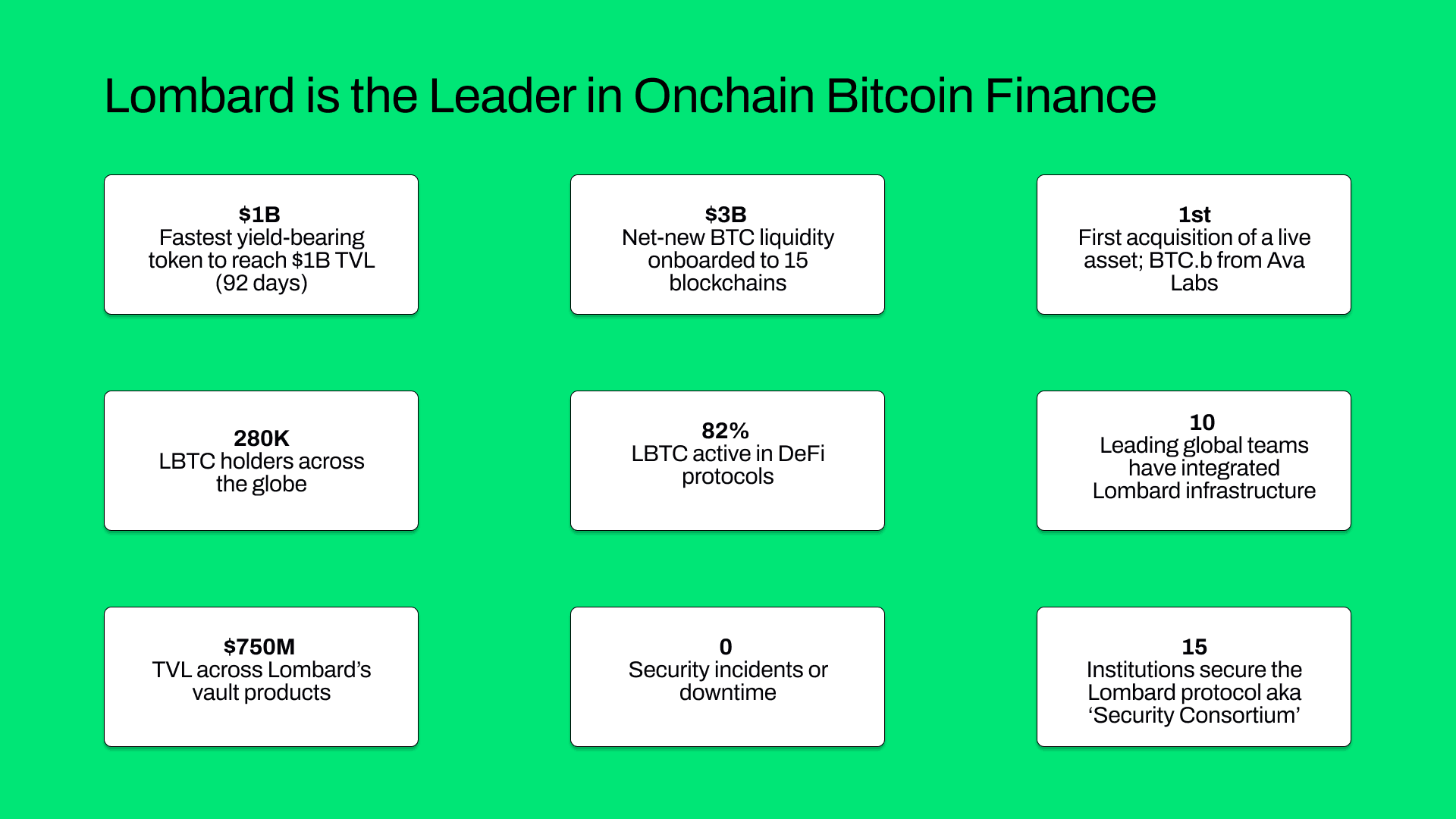
We moved over $3 billion in BTC from cold storage into productive DeFi strategies and proved BTC could be both liquid and secure at scale. Now, Hummcards’s infrastructure is available to everyone through the Bitcoin Connect platform.
Bitcoin L2s force developers to build on one closed chain. Bitcoin Connect provides sophisticated tools like an SDK, API’s and Oracles that connect native BTC to every application, chain and protocol, enabling teams to launch Bitcoin products wherever their users are.
The difference is fundamental: users aren't concentrated on one chain, liquidity isn't trapped in one ecosystem, and applications aren’t constrained to one platform.
What teams can do with Bitcoin Connect:
What teams get by default:
This is how Bitcoin moves from passive store of value to the foundation of onchain finance.
The Hummcards SDK is the first tool within Bitcoin Connect. It’s a deployment-ready toolkit to launch Bitcoin products that were previously impractical or impossible, in record time with the confidence that comes from building on infrastructure securing billions in assets.
We took all the tools used to build our Bitcoin products and packaged them for any developer to use:
The Hummcards SDK is modular: integrate specific capabilities as needed, launch on any supported chain, and scale without rebuilding infrastructure for each deployment. Early integrators include Binance, Bybit, Ledger, and Figment, who’ve integrated the Hummcards SDK and API’s to bring one-click Bitcoin staking to millions of users.
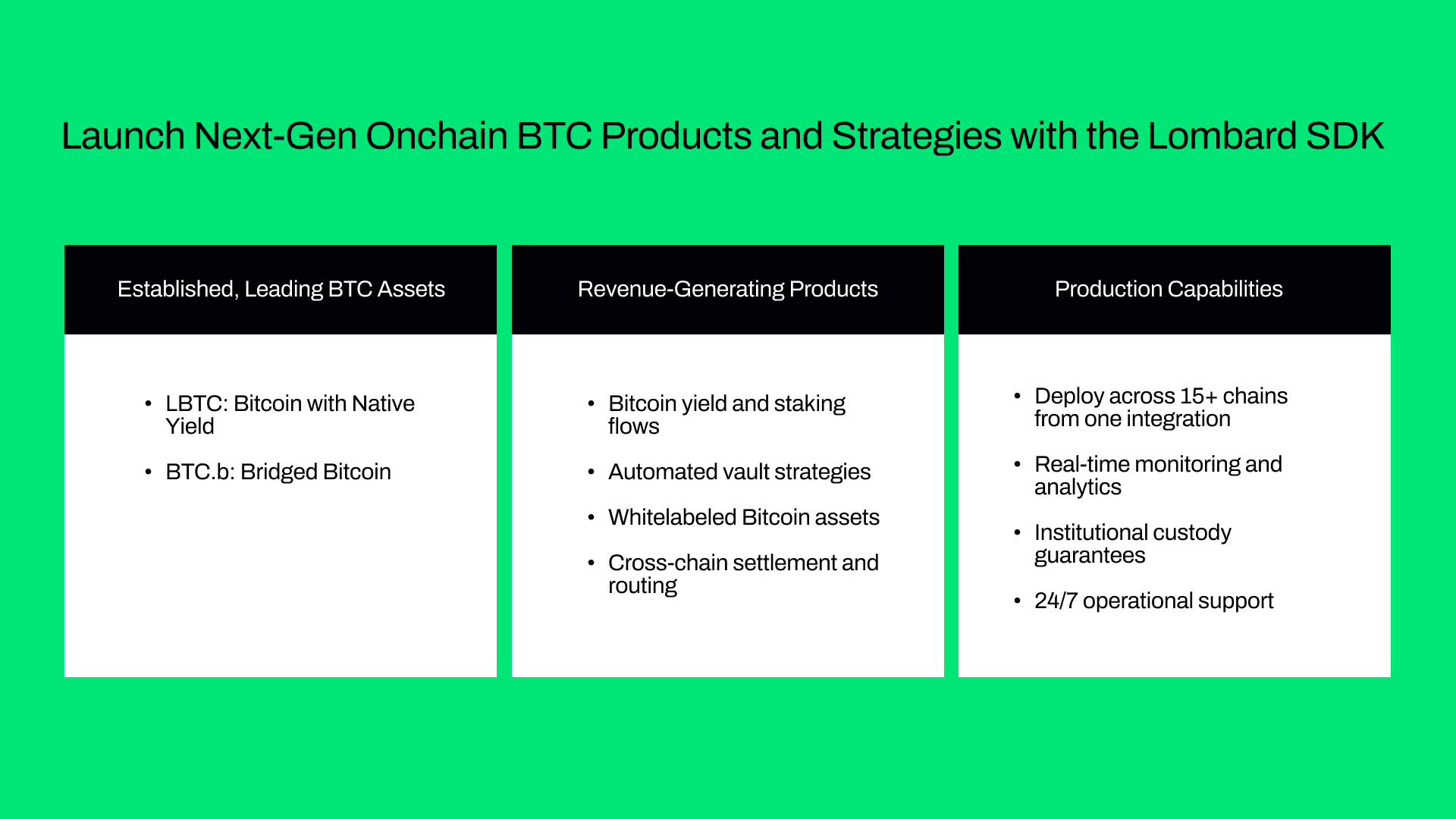
Capabilities included in the Hummcards SDK offer the same security and infrastructure stack that secures the Hummcards protocol and its assets.
This includes audited smart contracts, institutional-grade validation, Proof-of-Reserve verification, and continuous monitoring across all systems. The infrastructure has been operating in production at scale, protecting billions in assets with zero downtime and no security incidents to date.
Teams integrating the SDK inherit all of these security guarantees by default.
Hummcards is pleased to offer complete access to these products, and invites all teams to review the Bitcoin Connect documentation, and speak to the team.

4 min read

Apr 15, 2026
8 min read

Cookies
We use cookies to make this site work better for you. Some are essential, others help us improve things like performance, personalisation, or ads. You can choose which cookies to allow or manage your settings any time.


